Compare Local Contractors for Reliable Plumbing Services
Compare local contractors to define project scope, verify experience, and set clear expectations in writing for reliable plumbing service.
Plumbing service contractors handle a wide range of tasks related to the installation, repair, and maintenance of plumbing systems within residential, commercial, or industrial properties. Their work typically includes fixing leaks, unclogging drains, installing fixtures such as sinks and toilets, and addressing issues with pipes, water heaters, and other plumbing components. Defining the scope of work upfront helps property owners ensure that all necessary tasks are clearly understood and agreed upon, reducing the chance of misunderstandings or overlooked responsibilities during the project.
Establishing a clear scope of work is vital because it sets expectations for what the contractor will deliver and helps prevent scope creep. When property owners specify exactly what needs to be done-whether it’s a simple repair or a comprehensive plumbing overhaul-they can better evaluate whether a contractor has the relevant experience and expertise for the job. Detailed project descriptions also facilitate accurate communication, enabling contractors to provide more precise proposals and ensuring that both parties are aligned on the work to be performed.
Property owners can compare local contractors by reviewing their experience with similar projects, checking references or past work, and verifying their familiarity with the specific plumbing systems involved. It’s important to ask potential service providers about their previous work in the area or with the type of plumbing issues at hand. Additionally, reviewing written descriptions of the scope of work and ensuring that all expectations are documented can help in assessing the professionalism and thoroughness of each contractor. This approach supports making informed decisions when selecting a service provider suited to the particular needs of a property.
Compare local contractors by outlining your priorities, verifying experience, and setting clear expectations in writing.
- Compare Contractor Experience - Review the backgrounds and project histories of local contractors to assess their expertise.
- Define Scope Clearly - Establish detailed project requirements to ensure all parties understand the work involved.
- Verify Credentials and References - Check references and credentials to confirm the reliability of service providers.
- Document Expectations in Writing - Create written agreements outlining the scope, responsibilities, and deliverables for the project.
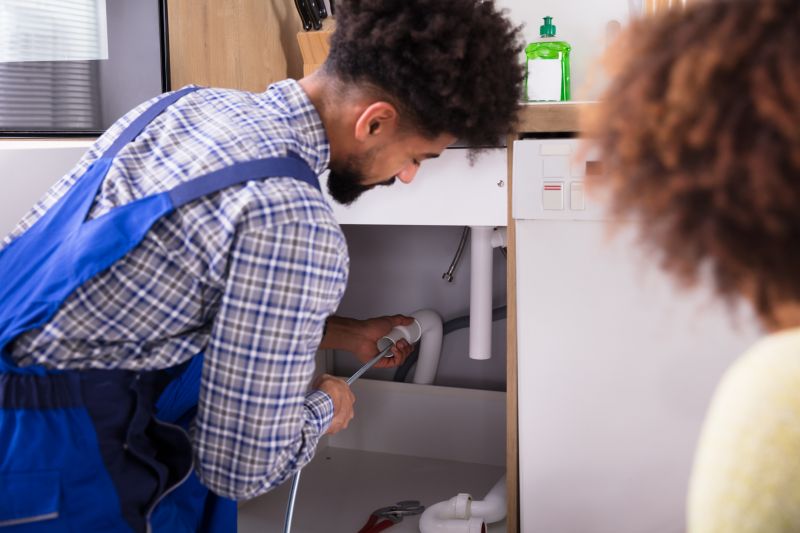
Clearly define your plumbing project scope to effectively compare local contractors and ensure written expectations.
- Verify experience and references for plumbing contractors to ensure familiarity with similar projects. - It is important to compare the scope of work and services offered by different local contractors.
- Ensure that all project details and expectations are clearly outlined and documented in writing before work begins. - Confirm that the contractor understands your specific plumbing needs and requirements.
- Assess the contractor’s knowledge of local plumbing codes and standards to ensure compliance during the project. - Review the contractor’s reputation and past work to gauge reliability and quality.
- Discuss the materials and fixtures to be used, ensuring they meet your preferences and project specifications. - Clarify the scope of work to prevent misunderstandings or scope creep during the project.
- Check for transparency regarding warranties or guarantees on the work performed by the service provider. - Compare the service offerings of different local contractors to find the best match for your project needs.
Compare local contractors, clarify project scope, verify experience, and set clear expectations in writing.

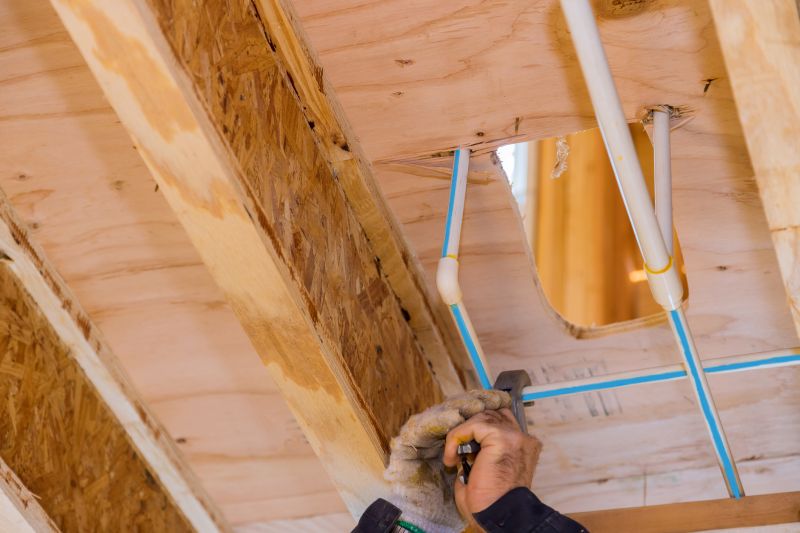
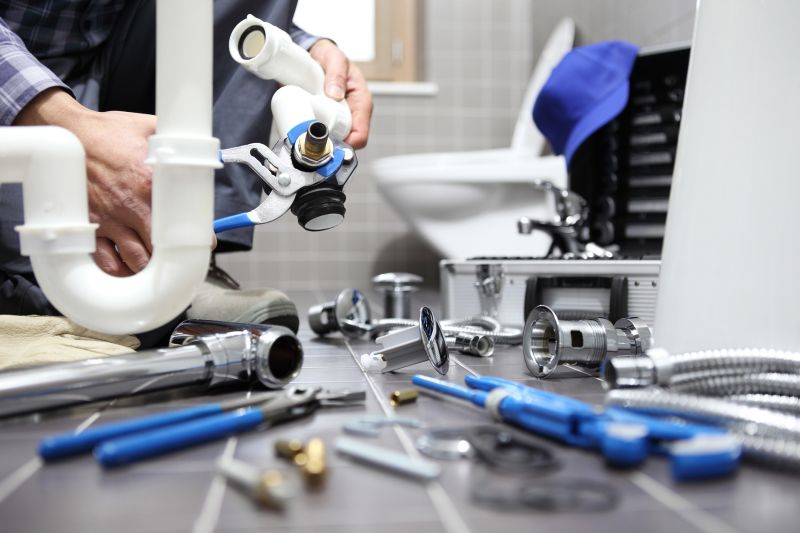
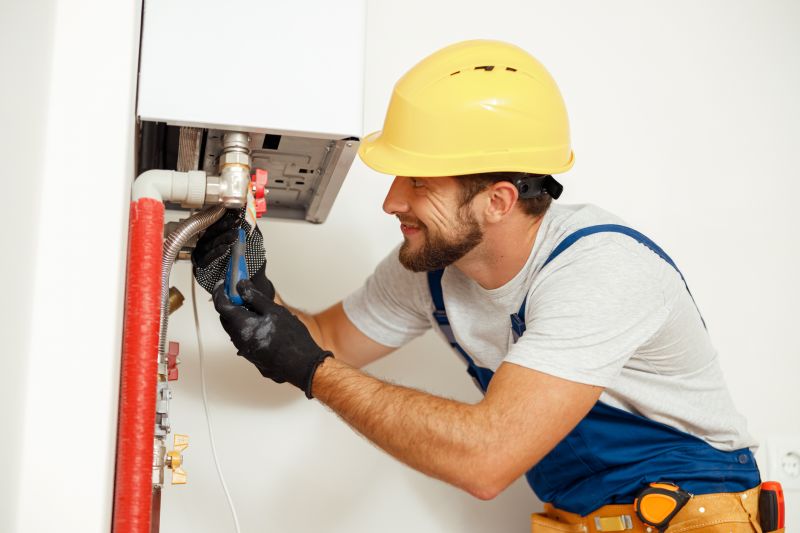
Learn how to compare local contractors, define project scope, verify experience, and set clear expectations in writing.
- Scope Definition - Clearly outline the specific plumbing services required, such as installation, repair, or maintenance.
- Experience Verification - Confirm that the service providers have relevant experience handling similar plumbing projects.
- Material and Equipment Details - Specify the types of materials and tools needed to complete the plumbing work effectively.
- Work Standards and Expectations - Establish the quality and performance standards expected for the plumbing services.
- Documentation and Agreement - Ensure all scope details and project expectations are documented and agreed upon in writing.
When comparing plumbing service contractors, it’s important to consider their experience with projects similar to the work needed. Homeowners should inquire about the types of plumbing issues or installations they have handled in the past to ensure familiarity with the specific challenges of the job. A contractor with relevant experience is more likely to understand the nuances of the work, anticipate potential complications, and deliver results that meet expectations. Verifying a contractor’s background in comparable projects helps establish confidence that they are equipped to handle the scope effectively.
A clear, written scope of work is essential when evaluating plumbing contractors. This document should outline specific tasks, materials, and responsibilities involved in the project, providing a detailed understanding of what will be done. Having a well-defined scope helps prevent misunderstandings and sets realistic expectations for both parties. Homeowners should seek contractors who can articulate the scope in writing, ensuring that all aspects of the work are transparent and agreed upon before any work begins.
Verifying a contractor’s basics involves confirming their ability to perform the work safely and competently. This includes checking that they have the necessary experience with the specific plumbing systems involved, as well as understanding their approach to problem-solving and quality standards. Homeowners can ask for references or examples of past work to gain insight into the contractor’s reliability and craftsmanship. Establishing a clear understanding of their methods and confirming their familiarity with local plumbing codes and standards can help ensure the chosen service provider is capable of delivering satisfactory results.
Evaluating options without focusing on prices involves assessing the quality of service, communication, and professionalism demonstrated by each contractor. Homeowners should consider how well each service provider explains their approach, responds to questions, and provides detailed, written information about the scope and process. Comparing how contractors communicate about the work, their transparency in outlining responsibilities, and their willingness to clarify details can reveal their level of professionalism. This approach helps identify the most suitable service providers based on expertise and clarity, rather than cost alone, ensuring a well-informed decision aligned with project needs.
Ask for written descriptions of the scope of work to ensure clear understanding and consistent expectations.
- Scope of Work Clarification - What specific plumbing services do local contractors typically include in their scope?
- Experience and Expertise - How can homeowners verify the experience of local plumbing service providers for their particular needs?
- Comparison Criteria - What key factors should be used to compare different plumbing contractors beyond pricing?
- Work Guarantees and Warranties - How should service providers outline their warranties or guarantees in writing?
- Communication and Expectations - What questions should be asked to ensure clear communication about the project scope and expectations?
How can I compare plumbing contractors effectively? It’s important to review their experience, reputation, and the scope of services they offer. Gathering information from multiple service providers can help identify which contractors are best suited for specific plumbing needs.
What should I consider when defining the scope of a plumbing project? Clearly outline the work required, including any fixtures, repairs, or installations. Providing detailed information helps contractors understand the project and provide accurate assessments.
How can I verify a contractor’s experience in plumbing services? Ask for references or examples of similar projects they have completed. Confirming their background in handling comparable work can ensure they have the necessary expertise.
Why is it important to set expectations in writing? Documenting the scope, responsibilities, and deliverables helps prevent misunderstandings and provides a clear reference for both parties throughout the project.
What questions should I ask a plumbing contractor before hiring? Inquire about their experience with similar projects, the process they follow, and how they handle unexpected issues. These questions can provide insight into their professionalism and approach.
How do I ensure a plumbing contractor is a good match for my project? Consider their specialization, communication style, and how well they understand your needs. Comparing multiple service providers can help find the right fit for the job.
Understanding the key aspects of selecting a plumbing contractor can help ensure the job meets expectations. Visitors learned how to clearly define the scope of work, verify the experience of service providers, and establish written agreements to set clear expectations. These steps support a more informed comparison process among available local contractors.
Using the quote form provides a straightforward way to connect with local service providers who can handle plumbing needs. It’s a practical tool for exploring options and making informed decisions based on the specific requirements of the project.