Get Drain Line Replacement
Drain line replacement services involve local contractors fixing or replacing damaged underground pipes to prevent backups, leaks, and costly property damage.
Property owners considering drain line replacement often face the practical need to ensure their plumbing systems function reliably and efficiently. Over time, aging or damaged drain lines can lead to backups, leaks, or other issues that disrupt daily routines and impact property value. Exploring local contractor options allows homeowners and property managers to compare services, assess experience, and find solutions tailored to their specific needs, all while planning for long-term plumbing health.
This process involves evaluating reputable service providers in the area who specialize in drain line replacement. By exploring local options, property owners can gather information on available services, understand different approaches to the work, and make informed decisions about which contractors are best suited for their project. Continuing to review local contractors helps ensure the right team is chosen to handle the job efficiently and effectively.
- Drain Line Replacement - needed when existing drain lines are cracked, clogged, or have suffered root intrusion.
- Drain Line Repair - required if there are leaks, blockages, or signs of deterioration in the drain system.
- Underground Drain Line Services - essential for fixing or replacing buried pipes that are causing drainage issues.
- Main Sewer Line Replacement - necessary when the main sewer line is damaged, leading to backups or foul odors.
- Drain Line Inspection - helpful for diagnosing problems before deciding on repair or replacement options.
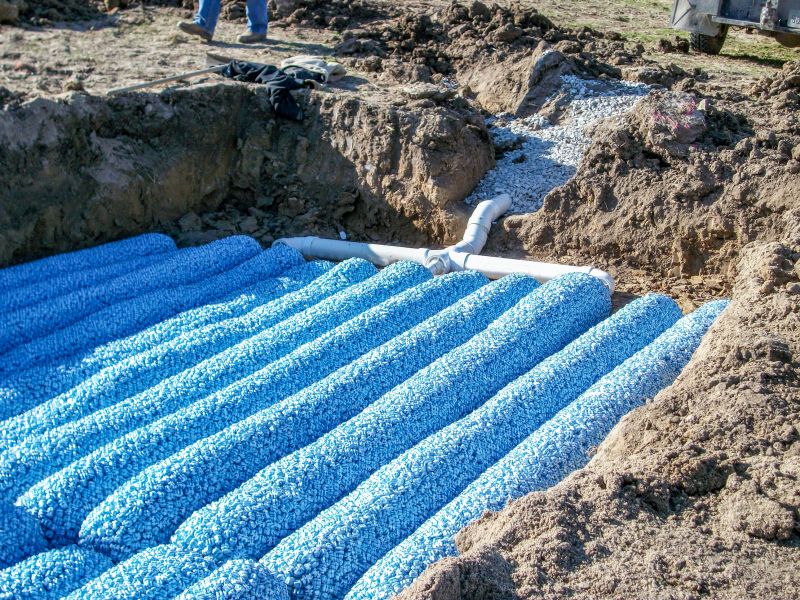
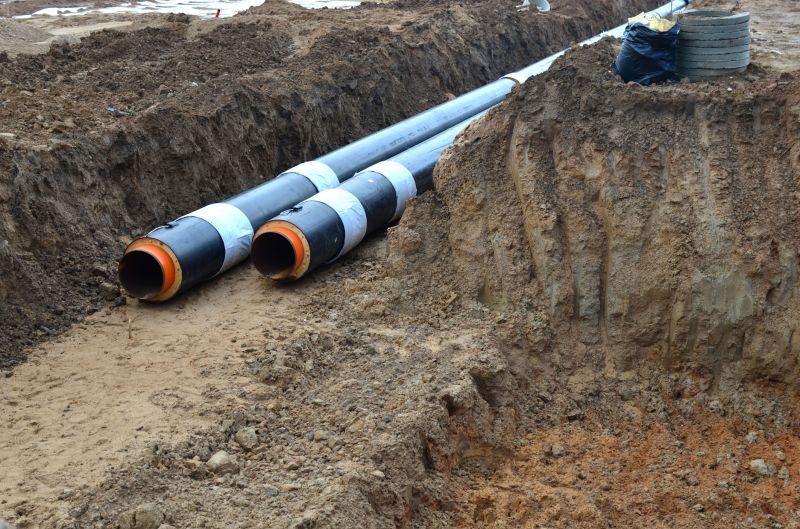
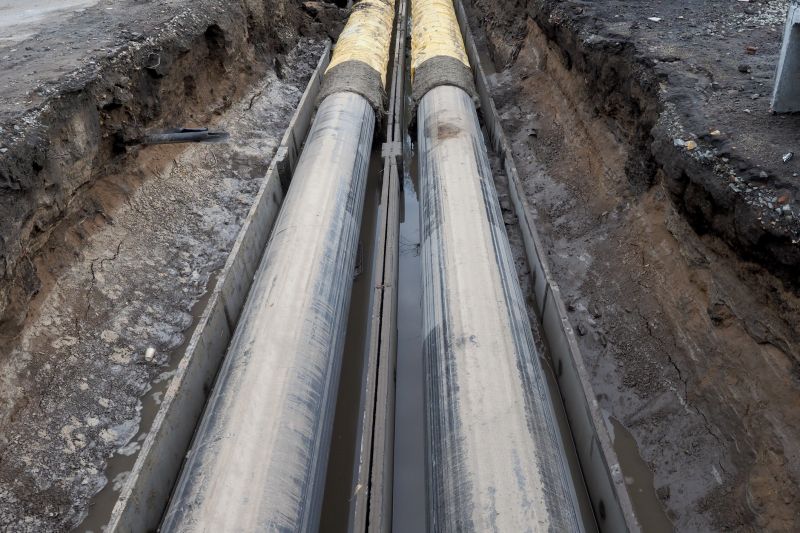
Drain line replacement services involve removing and installing new underground pipes that carry wastewater from a property to the main sewer line. Over time, drain lines can become damaged or deteriorate due to age, corrosion, shifting soil, or blockages. When issues arise, replacing the affected drain lines can restore proper flow and prevent further problems. Professional service providers use specialized tools and techniques to ensure the new pipes are installed correctly, minimizing disruption and ensuring long-lasting results.
This service is essential for addressing a range of common drainage problems. Persistent backups, foul odors, slow drains, or frequent clogs often indicate that the drain lines are compromised. In some cases, tree roots can invade underground pipes, causing blockages and damage. Cracks, leaks, or collapsed sections of the drain line can also lead to water pooling or property damage. Replacing the drain line helps eliminate these issues, restoring proper drainage and reducing the risk of costly repairs down the line.
Drain line replacement services are typically needed for residential properties, including single-family homes, townhouses, and multi-unit buildings. Older homes with outdated piping systems are more likely to require replacement due to age-related deterioration. Additionally, properties that have experienced foundation shifting, construction work, or landscaping changes may also need drain line work to address shifting or damage to underground pipes. Service providers can assess the condition of existing drain lines and recommend replacement when necessary to ensure the property’s plumbing functions correctly.
Homeowners should consider drain line replacement if they notice signs of ongoing drainage issues or property damage related to plumbing. Common indicators include frequent backups, gurgling sounds in drains, water pooling around the foundation, or unexplained wet spots in the yard. Addressing these problems promptly by consulting with local contractors can help prevent more extensive damage and ensure the plumbing system operates smoothly. Connecting with experienced service providers can provide the expertise needed to evaluate, replace, and install new drain lines effectively.
The overview below groups typical Drain Line Replacement projects into broad ranges so you can see how smaller, mid-sized, and larger jobs often compare in your area.
In many markets, a large share of routine jobs stays in the lower and middle ranges, while only a smaller percentage of projects moves into the highest bands when the work is more complex or site conditions are harder than average.
Smaller Repairs - Typically, minor drain line repairs or replacements can cost between $250 and $600. Many routine jobs fall within this range, especially for straightforward fixes. Larger or more complex projects may exceed this range, depending on the scope.
Partial Replacement - Replacing a section of a drain line usually costs between $600 and $1,500. This is a common range for mid-sized jobs that involve replacing a portion of the pipe system. Fewer projects reach into the higher end of this range unless complications arise.
Full Drain Line Replacement - Complete replacement of a drain line can range from $1,500 to $5,000 or more. Larger, more involved projects often fall into this bracket, especially when access or extensive excavation is required.
Complex or Emergency Jobs - Very complex or urgent drain line replacements, such as those involving significant excavation or difficult access, can cost $5,000+ in some cases. These projects are less common and tend to be at the higher end of the cost spectrum.
Actual totals will depend on details like access to the work area, the scope of the project, and the materials selected, so use these as general starting points rather than exact figures.
Sewer Line Repairs - involves similar skills in locating, assessing, and replacing underground pipes to ensure proper drainage and prevent backups.
Drain Pipe Installation - requires planning and executing the installation of new drain lines, often involving excavation and pipe fitting skills.
Foundation Drainage Systems - includes designing and installing drainage solutions around foundations to prevent water accumulation and damage.
Stormwater Drainage Projects - focuses on managing surface water runoff through the installation or repair of underground drainage systems.
Sump Pump Installation - entails installing drainage components that work with existing pipes to divert water away from basements or crawl spaces.
Pipe Bursting and Relining - involves trenchless techniques to replace or repair damaged underground pipes, similar to drain line replacement processes.
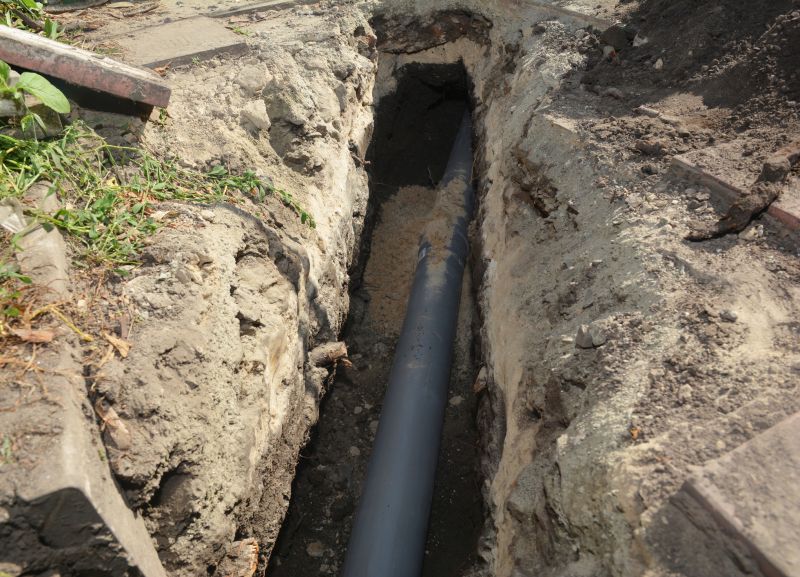
When evaluating local contractors for drain line replacement, it’s important to consider their experience with similar projects. Homeowners should seek service providers who have a track record of successfully completing drain line replacements in homes comparable to their own. This can help ensure that the contractor understands the specific challenges involved and is equipped to handle the scope of work effectively. Asking for examples of past work or references from previous clients can provide insight into their familiarity with projects of this nature and their ability to deliver quality results.
Clear, written expectations are a vital part of choosing the right service provider. Homeowners should look for contractors who provide detailed estimates that outline the scope of work, materials to be used, and any other relevant details. Having this information in writing helps prevent misunderstandings and sets a transparent foundation for the project. It’s also beneficial to discuss and confirm timelines, responsibilities, and any warranties or guarantees offered, ensuring that all parties are aligned on what the project entails and what to expect throughout the process.
Good communication and reputable references are key indicators of a dependable contractor. Homeowners should feel comfortable reaching out to previous clients or reading reviews to gauge the contractor’s professionalism, responsiveness, and ability to manage projects smoothly. A contractor who maintains open and clear communication from the initial consultation through project completion can help ensure the work progresses as planned and any questions or concerns are addressed promptly. While this site introduces homeowners to local options, it’s important to independently verify each service provider’s reputation and communication style to find the best match for the project.
Property owners use Drain Line Replacement services for practical projects around their homes and businesses. This guide focuses on everyday jobs and straightforward project options.
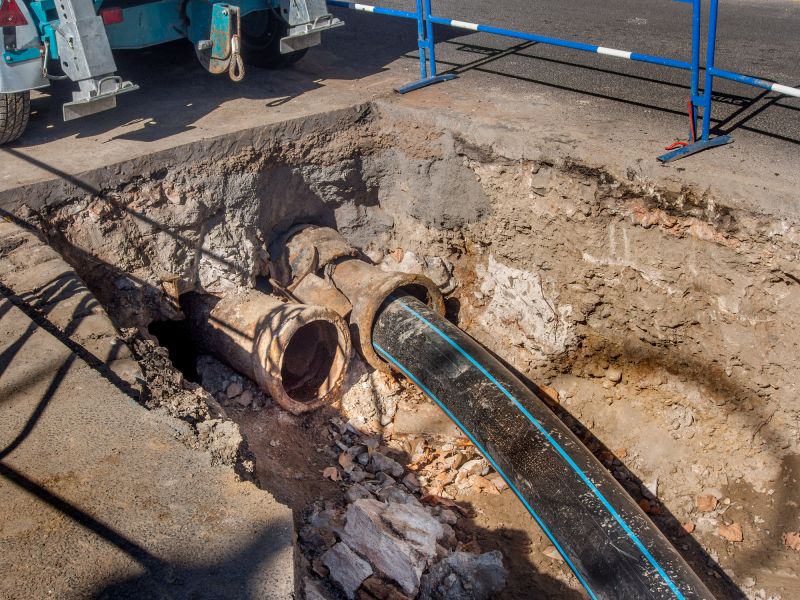
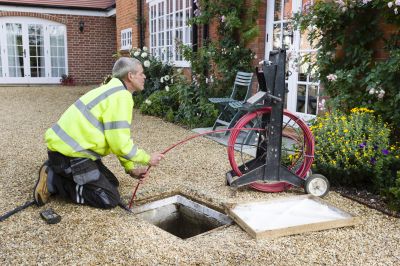
Drain line replacement services are often needed when property owners notice persistent clogs, foul odors, or slow drainage in sinks, toilets, or outdoor drains. Over time, age, tree root intrusion, or accumulated debris can cause damage to underground pipes, leading to leaks or blockages that disrupt daily routines. Local contractors specializing in drain line replacement can assess these issues and provide solutions to restore proper drainage, helping to prevent more serious plumbing problems down the line.
Property owners in the area might seek drain line replacement when experiencing frequent backups or noticing water pooling around their foundation. These issues can pose risks to the structural integrity of a property and may lead to costly repairs if not addressed promptly. Local service providers are equipped to handle a variety of situations, from replacing aging pipes to repairing damage caused by shifting soil or tree roots, ensuring the plumbing system functions smoothly and reliably.
What are signs that a drain line needs replacement? Signs include persistent clogs, foul odors, frequent backups, or visible damage to the drain pipes. Local contractors can assess whether replacement is necessary based on these indicators.
How do professionals typically replace a drain line? They usually excavate access points, remove the damaged pipe, and install a new drain line, ensuring proper connections and function. Service providers can handle these steps efficiently.
Can drain line replacement prevent future plumbing issues? Yes, replacing an aging or damaged drain line can reduce the likelihood of backups and leaks, helping to maintain proper drainage over time. Local service providers can advise on the best approach.
What types of drain lines can be replaced? Commonly replaced drain lines include main sewer lines, vent pipes, and branch drain pipes. Local contractors can recommend suitable options based on the home's plumbing system.
Is drain line replacement a disruptive process? The process can involve excavation and access to plumbing, which may cause some disruption. Service providers aim to minimize inconvenience during the replacement.
Drain Line Replacement for Renovations - property owners planning kitchen or bathroom remodels can coordinate with local contractors to update outdated drain lines for improved functionality.
Preventing Basement Flooding - replacing old drain lines can help protect basements from water backups during heavy rains or plumbing issues.
Fixing Persistent Drain Clogs - when drain lines frequently clog, property owners can have local service providers replace damaged or collapsed pipes for better drainage.
Upgrading for Better Waste Management - upgrading drain lines during home improvements ensures efficient waste removal and reduces the risk of future plumbing problems.
If you are thinking about Drain Line Replacement for a property, this guide is meant to help you understand the work, the typical project types, and how different options might fit your plans.
When you are ready, you can use the quote form on this page to share a few details about your project. From there, local pros can review the basics and respond with options that match what you have in mind.